
Rasmalai is one of those desserts that instantly makes you smile. Imagine soft, spongy cheese dumplings swimming in sweet, fragrant milk with the aroma of cardamom and saffron filling your kitchen. Sounds heavenly, right? That’s exactly what Rasmalai is, a treat loved across India and beyond.
Usually, Rasmalai is reserved for festivals, family gatherings, or special occasions because of its rich and indulgent taste. But here’s the good news. You don’t need a special day to enjoy it. Making Rasmalai at home is easier than it seems, and trust me, it tastes way better than anything you can buy in a shop.
The best part is you can adjust the sweetness, play with flavors, and add nuts or dry fruits for that extra little touch. Plus, making it from scratch is surprisingly fun. Whether you’re cooking alone or involving the whole family, there’s something magical about turning simple ingredients into such a creamy, luxurious dessert.
By the end of this recipe, you’ll have Rasmalai that is soft, juicy, and perfectly soaked in sweet, fragrant milk just like the ones from a sweet shop, but fresher, creamier, and made with love.
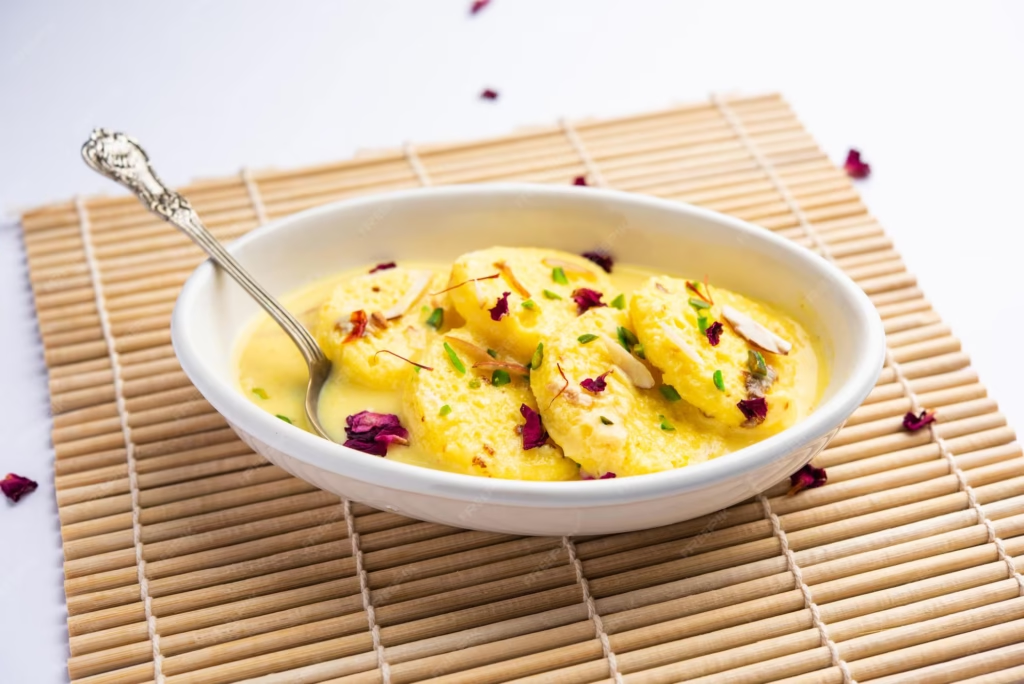
What is Rasmalai? :
Rasmalai is soft paneer, also called chhena, shaped into dumplings and cooked in sweetened, reduced milk with cardamom, saffron, and sometimes a hint of rose water. Unlike Rasgulla, which is lighter and served in sugar syrup, Rasmalai is creamy, indulgent, and melts in your mouth. Each bite is soft, flavorful, and comforting, perfect for a celebration or a treat at home.
Ingredients :
For the Rasgulla Balls
1 liter full-fat milk
2 to 3 tablespoons lemon juice or vinegar
1 cup sugar
3 cups water
For the Milk Syrup
1 liter full-fat milk
1/2 cup sugar (adjust to taste)
4 to 5 crushed cardamom pods
A few strands of saffron
1 teaspoon rose water (optional)
2 tablespoons chopped pistachios and almonds
Step by Step Rasmalai Recipe With Cookware Tips:
Step 1: Make the Paneer
Boil 1 liter of milk in a heavy-bottomed pan until it reaches a gentle boil.
Reduce heat and slowly add lemon juice or vinegar, stirring gently until the milk curdles.
Strain the curdled milk using a muslin cloth for paneer and rinse with cold water to remove any sourness.
Hang the chhena for 30 to 40 minutes to drain excess water.
Cookware Tip: A heavy-bottomed stainless steel pan prevents milk from sticking or burning. A muslin cloth ensures your chhena is soft and smooth, perfect for Rasgulla balls.
Step 2: Shape the Rasgulla Balls
Knead the chhena for 5 to 7 minutes until smooth and soft.
Divide it into equal portions and shape them into round or slightly flattened discs.
Cookware Tip: A non-stick surface makes shaping easier and prevents sticking, giving you smooth, crack-free balls.
Step 3: Cook the Rasgulla Balls in Sugar Syrup
Mix sugar and water in a non-stick pan and bring to a boil.
Gently add the chhena balls and cook for 10 to 12 minutes on medium heat.
Remove the balls with a slotted spoon and let them cool completely.
Cookware Tip: A non-stick pan prevents the syrup from sticking or burning, and a slotted spoon keeps the Rasgulla balls intact.
Step 4: Make the Milk Syrup
Boil 1 liter of milk in a heavy-bottomed pan, stirring continuously.
Add crushed cardamom, saffron, and sugar. Let it reduce to about half.
Remove from heat and add rose water if desired.
Gently add the Rasgulla balls and let them soak in the milk for a few hours or overnight in the fridge.
Cookware Tip: Using a heavy-bottomed stainless steel pan ensures the milk reduces evenly without burning, giving a rich, creamy texture.
Step 5: Garnish and Serve
Garnish with chopped pistachios and almonds.
Serve chilled in bowls for the best taste and presentation.
Cookware Tip: Glass dessert bowls make your Rasmalai look elegant and keep it chilled longer.
Variations of Rasmalai
Mango Rasmalai: Add mango puree for a fruity twist
Chocolate Rasmalai: Mix in cocoa powder for a chocolate version
Rose Rasmalai: Add rose water for a delicate floral aroma
Kesar Pista Rasmalai: Saffron and pistachios make it festive
Stuffed Rasmalai: Fill the balls with chopped nuts or dry fruits for extra crunch
Try experimenting with flavors to create your own version of this classic dessert.

Health Tips
Use full-fat milk for creaminess or mix with low-fat milk for a lighter version
Adjust sugar to taste or try natural sweeteners like jaggery or honey
Add nuts and dry fruits for extra nutrition
Serve chilled to enhance flavors
Keep portion sizes in mind for a balanced indulgence
Why Make Rasmalai at Home
Fresh and Healthy: You control all ingredients, no preservatives
Customizable: Adjust sweetness, richness, and flavors to your liking
Fun and Rewarding: Making it yourself is satisfying and can involve family
Cost-Effective: Cheaper than buying from a sweet shop
Perfect for Celebrations: A stunning homemade dessert for festivals or gatherings
Homemade Rasmalai is always fresher, creamier, and more satisfying than store-bought ones.
Frequently Asked Questions
Can I use store-bought paneer?
Yes, you can. But homemade chhena makes Rasmalai extra soft and creamy. Store-bought paneer works too, though it may not be as delicate.How long can Rasmalai be stored?
It can stay fresh in the fridge for 3 to 4 days. Keep it chilled to enjoy its creamy texture.Can I make Rasmalai without saffron?
Yes, cardamom alone tastes great. You can also add a little rose water for a nice aroma.Can Rasmalai be frozen?
Freezing isn’t a good idea. The milk might separate, and the soft balls may lose their texture. Fresh is always best.How do I prevent the Rasgulla balls from breaking?
Knead the chhena well and shape gently. Cook the balls slowly in sugar syrup so they stay soft and whole.Can I make Rasmalai for a large gathering?
Yes, just make the chhena in batches and ensure there’s enough milk syrup to soak all the balls evenly.
Final Thought
Rasmalai is more than just a dessert; it’s a little celebration in every bite. The soft, spongy chhena balls soaked in sweet, creamy milk with the gentle aroma of cardamom and saffron make it absolutely irresistible. Making it at home may seem a bit tricky at first, but with some patience and the right steps, it’s much easier than you think. Homemade Rasmalai is always fresher, creamier, and more satisfying than store-bought ones, and there’s a special joy in making it yourself.
If you love Indian sweets, you will also enjoy Gulab Jamun served with Ice Cream. It’s rich, decadent, and perfect for treating yourself or impressing your guests. You can check out the recipe and helpful cookware tips here: Gulab Jamun and Ice Cream Cookware Tips.
And if you’re feeling adventurous, you can even try making chocolate at home. With a few simple ingredients and some basic cookware, you can create smooth, rich, and delicious chocolate right in your kitchen. Here’s a step-by-step guide with cookware tips: How to Make Chocolate at Home – Easy Step-by-Step Guide.
Good
Good receipe
Pingback: How to Make Jalebi at Home: Crispy, Sweet & Easy Dessert with Cookware Tips
Pingback: How to Make Kaju Katli – Easy Homemade Sweets with Cookware Tips